



Sign up to our flexible pension plan for the self-employed and contribute as much or as little as you like, as often as you like.
Can I pause my self-employed pension contributions?
Yes, you can pause your self-employed pension contributions. Most providers, including PensionBee, make it simple to stop or reduce payments. Your savings stay invested, but you’ll stop receiving tax relief and may miss out on potential investment growth from new contributions.
If you’re self-employed, your income may not always arrive in neat, regular pay packets. Some months feel comfortable, while others can be a squeeze. That’s why having the flexibility to pause contributions can be useful. But it’s worth knowing what happens when you do, and how to keep your retirement goals on track.
What happens when you pause pension contributions?
When you stop your pension contributions, you’ll no longer benefit from tax relief (more on this later) or any investment returns that you could’ve earned.
It’s important to remember this doesn’t mean you’ll ‘lose everything’. The savings already in your pension remain in place and continue to have the potential to grow over time and benefit from compound interest. Pausing contributions is simply a temporary halt to adding more.
At times, taking a break might be the right call for your short-term cash flow. If your earnings are patchy or you face unexpected expenses, freeing up money in the short term may give you more breathing space.
{{dark-cta}}
Will I lose tax benefits if I stop contributing?
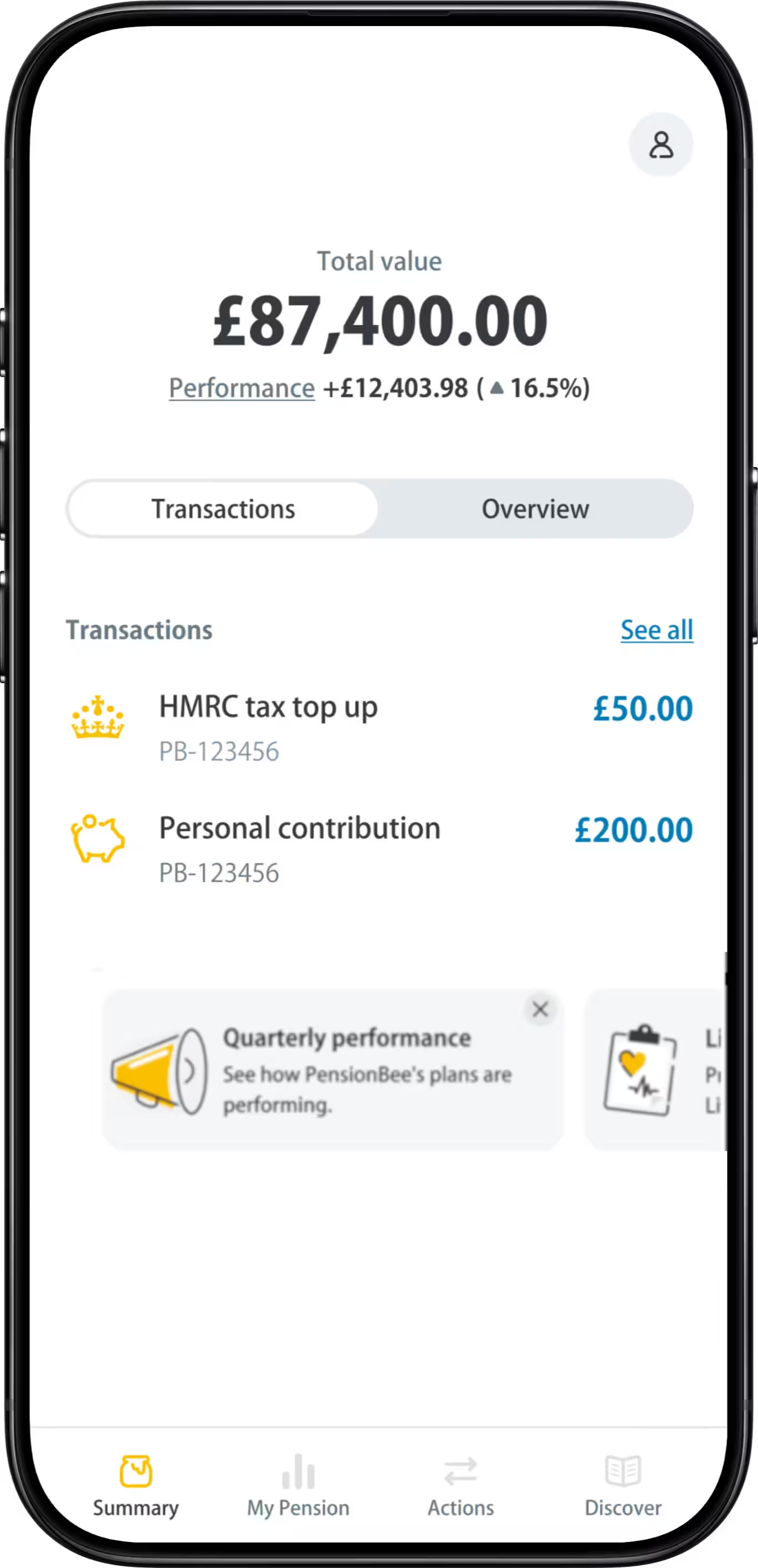
One of the main advantages of paying into a pension is tax relief. Most UK taxpayers get tax relief on their pension contributions, which means that the government effectively adds money to your pension pot. Usually basic rate taxpayers get a 25% tax top up; meaning HMRC adds £25 for every £100 you pay into your pension making it £125.
If you’re a higher or additional rate taxpayer, you could be eligible for more. Though it has to be claimed via a Self-Assessment tax return.
If you pause your contributions, top-ups via tax relief stop too. Missing out on several months of tax relief can make a noticeable difference to your future savings. Especially if your pause stretches longer than planned.
That’s why many people try to keep small, regular payments going where possible.
Is it worth stopping pension contributions?
Before pressing pause, it’s worth weighing up some alternatives. Here are some things to consider.
- Reduce your payments - instead of stopping entirely, you could lower your contributions to a level that feels manageable. If you’re a PensionBee customer, there’s no minimum contribution amount.
- Switch to one-off top-ups - contribute more in months when your income is higher, and less (or nothing) when it’s not.
- Review expenses - cutting back on non-essential spending may free up enough to keep small payments going into your pension each month.
Stopping altogether can feel like the easiest choice. But even small, flexible payments can help you stay on track with your retirement plans.
How to pause or adjust your contributions
Most pension providers make it simple to pause or change your contributions. Pension plans designed for the self-employed are usually especially flexible.
With PensionBee, you can manage everything online or in the app. From setting up, pausing or restarting payments, to making one-off payments when you’re ready. Find out more about managing your pension contributions.
How to stay on track after a pause
If you do decide to take a break, a little planning can make it easier to get back on track. Here are three things you can do to help your retirement planning.
- Set a diary reminder - review your finances after three-to-six months to see if you can start contributing again.
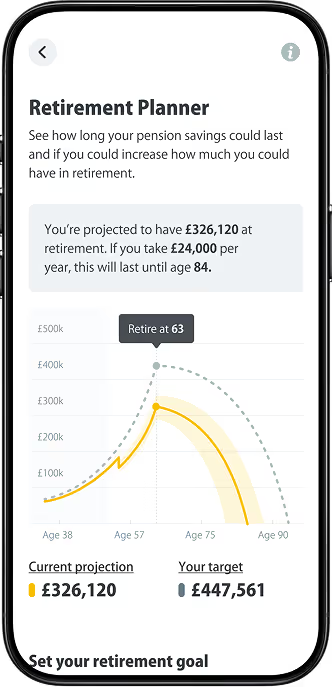
- Use a pension calculator - tools like PensionBee’s Pension Calculator can show how a pause affects your future savings.
- Set a goal - even if it’s just restarting with a small amount, having a target can help keep your retirement plans on course.
Pausing doesn’t have to mean falling behind forever. With the right steps, you can make sure it’s just a short stop on the road to building your retirement savings.
If you do need to pause, make a plan to restart when you can. That way, you’ll protect your future while giving yourself space to manage the ups and downs of self-employed income. For more tips, see our guide on retirement planning as a self-employed person.
Risk warning
As always with investments, your capital is at risk. The value of your investment can go down as well as up, and you may get back less than you invest. This information should not be regarded as financial advice.
Last edited: 08-05-2026
Choose a self-employed pension that puts you in the driving seat
When investing, your capital is at risk