


This is part of our monthly pension update series. Catch up on last month’s summary here: What happened to pensions in May 2024?
Climate change is a pressing reality that demands our attention, impacting not only the environment but also businesses. As rising temperatures, extreme weather events, and resource depletion affect the planet, the business landscape is having to quickly evolve to our changing world.
But how does climate change impact businesses? Well, for example, extreme weather events can cause supply chain disruptions, while rising temperatures may impact agricultural yields. Businesses are recognising the urgency to respond and adapt. In response to these challenges, innovative companies are investing in sustainable technologies and implementing environmentally-friendly practices to reduce their impact on the climate.
Keep reading to find out how climate change could affect businesses.
What happened to stock markets?
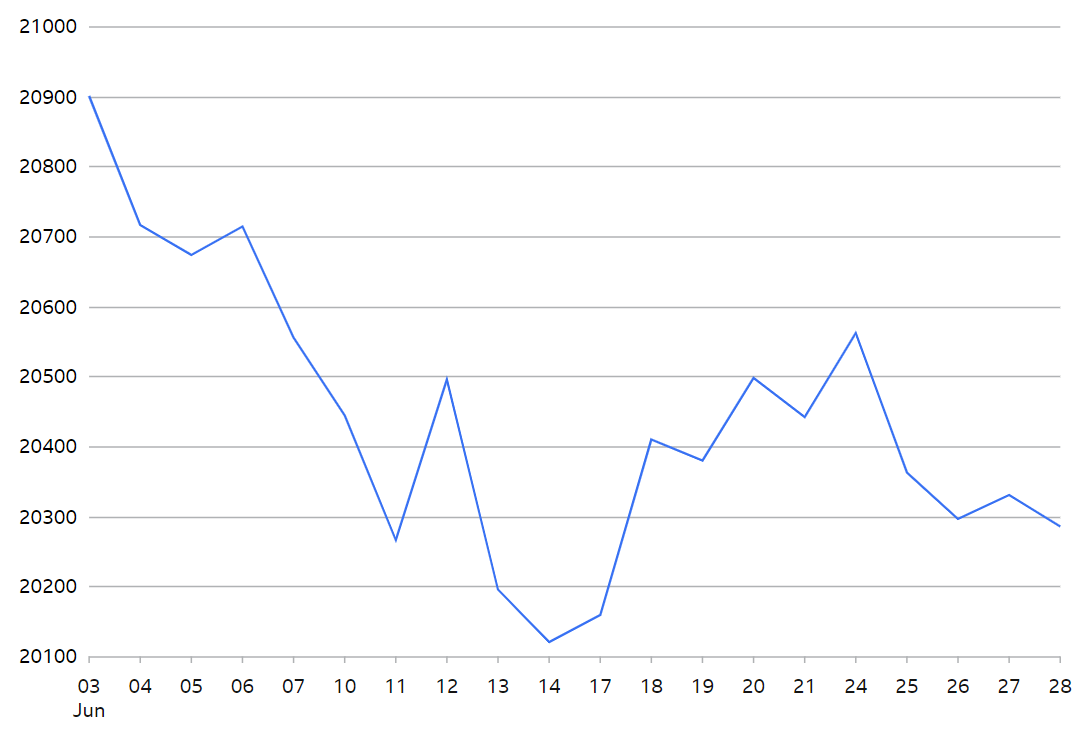
In the UK, the FTSE 250 Index fell by over 2% in June. This brings the year-to-date performance close to +3%.
Source: BBC Market Data
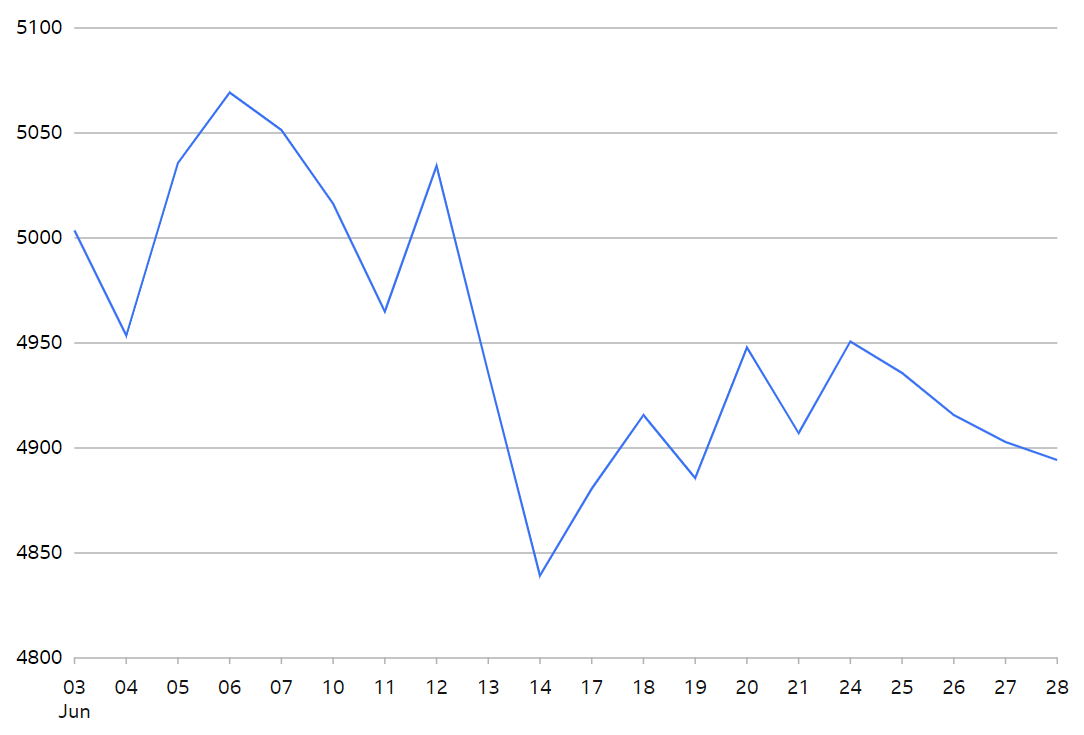
In Europe (excluding the UK), the EuroStoxx 50 Index fell by almost 2% in June. This brings the year-to-date performance close to +8%.
Source: BBC Market Data
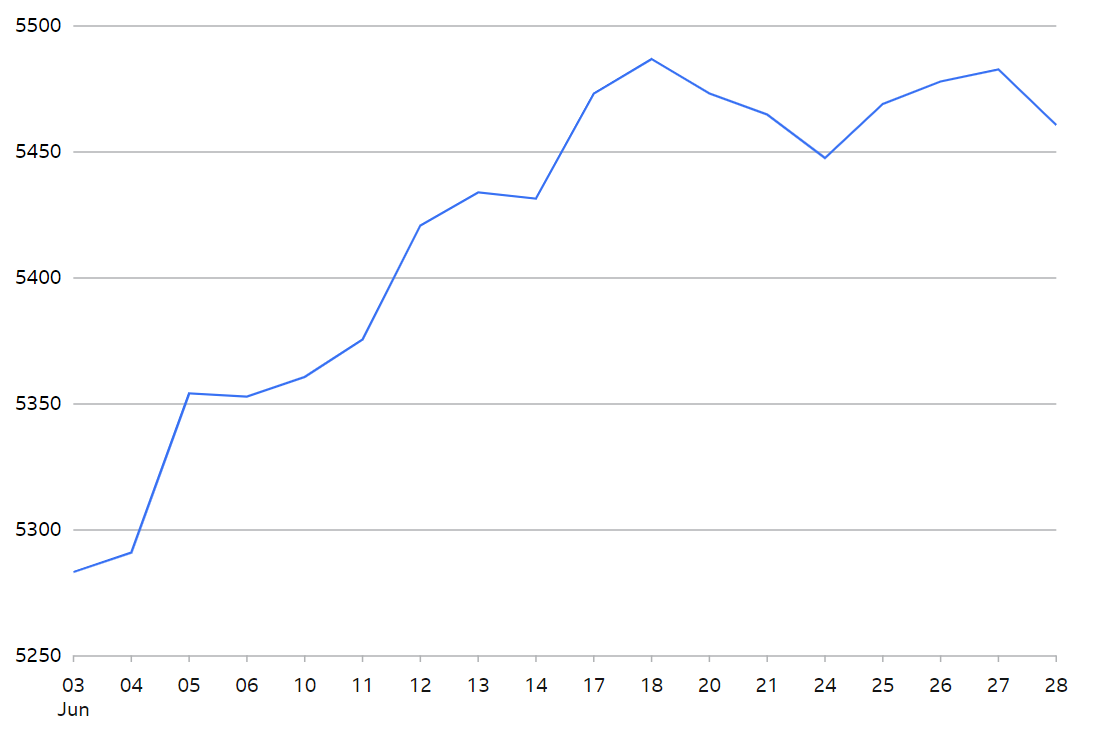
In North America, the S&P 500 Index rose by almost 4% in June. This brings the year-to-date performance close to +_ni_rate.
Source: BBC Market Data
In Japan, the Nikkei 225 Index rose by almost 3% in June. This brings the year-to-date performance close to +18%.
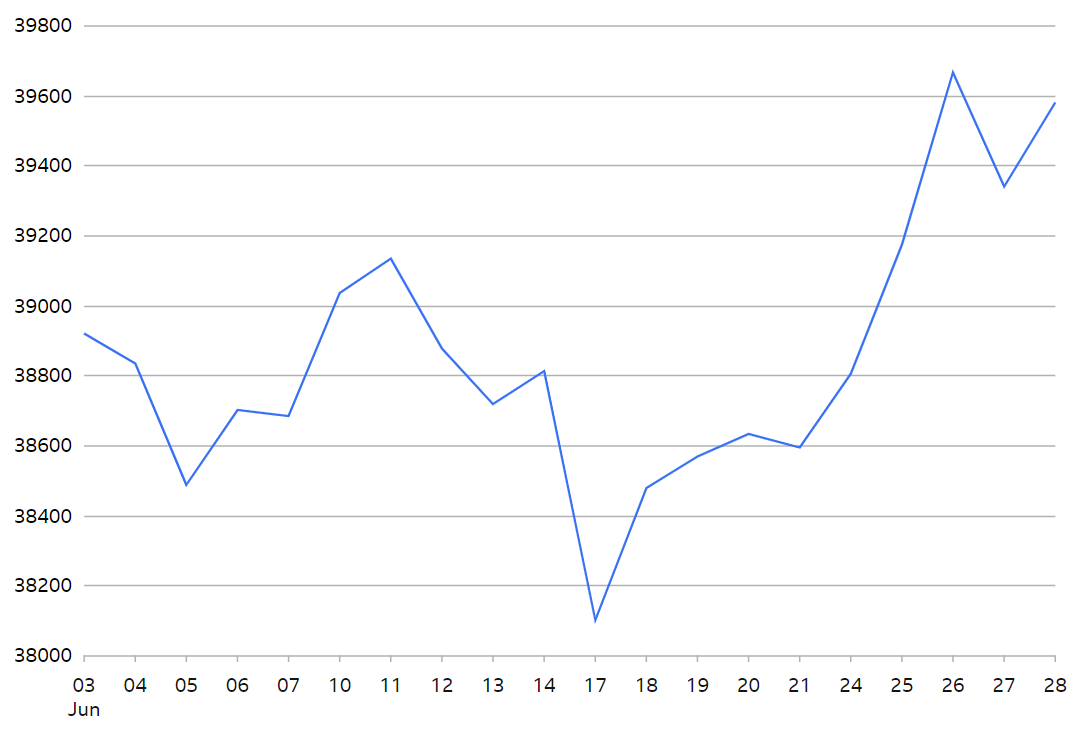
Source: BBC Market Data
In the Asia Pacific (excluding Japan), the Hang Seng Index fell by 2% in June. This brings the year-to-date performance close to +4%.

Source: BBC Market Data
How could climate change impact businesses?
Here are three business sectors at risk of ongoing climate change.
1. Agriculture
In fact, wine regions from Europe to Argentina are at risk of being wiped out in the coming decades. Already, more frequent extreme frost, heat, droughts and erratic rainfall are already impacting wine production, affecting the quality of wines and leading to new diseases and pests.
Such extreme events can lead to significant economic losses and food shortages, especially in vulnerable communities. This makes agriculture one of the sectors most vulnerable to the impacts of climate change.
2. Energy
The energy sector is another area that’s highly vulnerable to the impacts of climate change, due to rapidly changing global regulation. The burning of fossil fuels for energy production is a major contributor to greenhouse gas emissions, exacerbating climate change. However, the effects of climate change also pose challenges to energy systems themselves.
The shift to renewable energy sources, such as solar and wind power, is essential in mitigating climate change. But, these energy sources can also be affected by climate variability. For example, changes in wind patterns and solar radiation can impact the reliability and efficiency of wind turbines and solar panels.
3. Trade
According to the World Economic Forum, water plays a crucial role in global trade - as 9_personal_allowance_rate of products are transported via oceans and waterways. Recent summers have experienced severe droughts that have made several trade routes impassable.
The United Nations (UN) estimates that droughts may impact 75% of the world’s population by 2050. If droughts continue to cause supply chain squeezes, then shipping costs may increase creating an inflationary pressure on businesses.
The impact of climate change on investments
Climate change can also affect investments through market volatility. Sectors like agriculture and energy, which are directly impacted by climate-related events, may experience price fluctuations which then impacts investors. For instance, extreme weather can affect crop yields and agricultural commodity prices. Changes in energy demand and the rise of renewable energy sources can also impact energy markets.
One feature of the debate that investors should be aware of is ‘stranded assets’. This is the risk that the value of assets, like fossil fuel resources and infrastructure, fall to zero due to factors like government regulation and shifting demand for renewable energy.
Investor preferences are evolving as well and many investors now consider environmental, social, and governance (ESG) factors when making investment decisions. Morgan Stanley reported that 77% of global investors are interested in sustainable investing. So it’s well worth keeping up to date on the latest ESG developments if you’re trying to make more informed and ethical investment choices.
This is part of our monthly pension update series. Check out the next month’s summary here: What happened to pensions in July 2024?
Have a question? Get in touch!
Do you want to know more about your pension plan with PensionBee? You can check out our Plans page to learn how your money is invested in different assets and locations, or log in to your BeeHive to see your specific plan. You can always send comments and questions to our team via engagement@pensionbee.com.
Risk warning
As always with investments, your capital is at risk. The value of your investment can go down as well as up, and you may get back less than you invest. This information should not be regarded as financial advice.
Period | Market Event | FTSE World TR GBP (%) | 4Plus Plan (%) |
|---|---|---|---|
4Plus Plan’s inception – 6 Sept 2013 | QE Tapering, China Interbank Crisis and its aftermath | -5.44 | -2.41 |
3 Oct 2014 – 15 May 2015 | Oil price drop, Eurozone deflation fears & Greek election outcome | -5.87 | -1.77 |
7 Jan 2016 – 14 Mar 2016 | China’s currency policy turmoil, collapse in oil prices and weak US activity | -7.26 | -1.54 |
15 June 2016 – 30 June 2016 | BREXIT referendum | -2.05 | -1.07 |